 Image 1 of 1
Ocular shields are protective devices designed to cover and shield the eye during dermatologic, cosmetic, and laser procedures. They are used to prevent injury from mechanical trauma, chemical exposure, and, most importantly, accidental laser or intense pulsed light (IPL) exposure. Types and materials
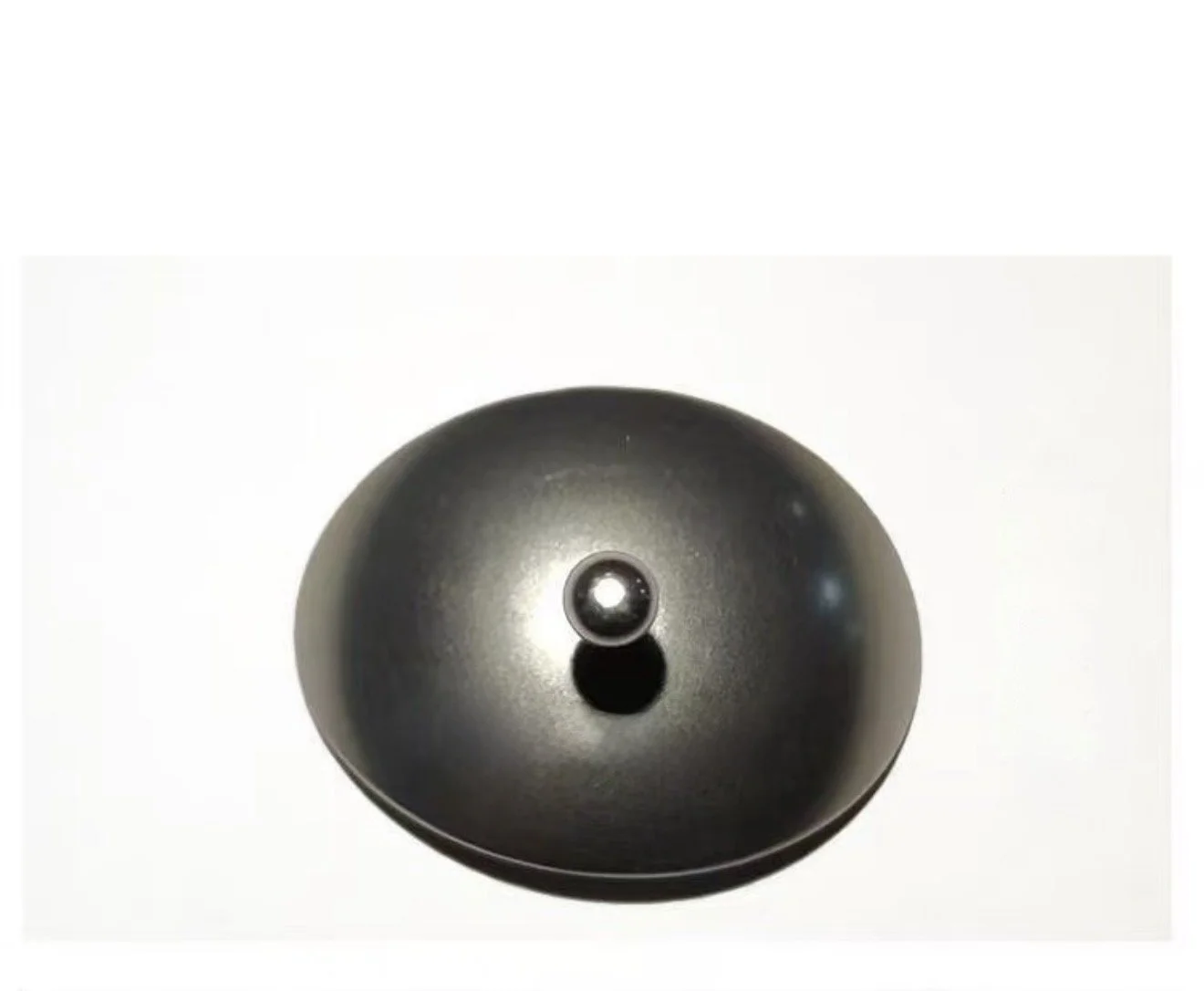
Metal (stainless steel or aluminum) shields: Rigid, reusable shields that provide excellent protection against high-energy lasers. They are often sterilizable and available in multiple sizes and shapes to fit the globe.
Dome-shaped or concave to conform to the eyeball and distribute pressure evenly.
Available in multiple sizes
Some shields include a central aperture for specific procedures; most are full-coverage to protect the entire globe and cornea.
Proper fit is critical: too small leaves areas exposed; too large or improperly placed can exert excessive pressure on the eye.
Uses and indications
Laser and IPL procedures involving the periocular area, eyelids, and surrounding skin.
Tattoo removal near the eye.
Safety considerations and proper use
Select a shield material rated appropriate for the device wavelength and energy. Some metals reflect or block laser wavelengths effectively; plastics may not be suitable for high-energy applications.
Inspect shields for damage, scratches, or contaminants before use. Damaged shields can compromise protection.
Ensure sterile technique when reusable shields are indicated and appropriate disinfection between patients.
Apply with minimal pressure to avoid globe compression, optic nerve injury, or increased intraocular pressure. Use lubricant or a gel spacer when indicated to reduce friction and distribute pressure.
Confirm correct placement with the patient in the treatment position and re-check after positioning or movement.
Combine ocular shields with external protective measures (e.g., eye closure, corneal shields, protective eyewear for operators) as recommended by device manufacturers and clinical protocols.
Limitations
Ocular shields protect the globe but do not replace the need for wavelength-specific eye protection for operators and staff.
Improperly used shields can cause ocular injury from pressure, abrasion, or inadequate coverage.
Not all shields are appropriate for all lasers—verify compatibility with the specific laser system and its wavelength.
Summary Ocular shields are essential protective tools for safeguarding the eye during aesthetic and dermatologic procedures, particularly when lasers or IPL are used near the orbital area. Proper selection, fitting, handling, and sterilization (when applicable) are crucial to maximize protection and minimize the risk of ocular injury.
Ocular shields are protective devices designed to cover and shield the eye during dermatologic, cosmetic, and laser procedures. They are used to prevent injury from mechanical trauma, chemical exposure, and, most importantly, accidental laser or intense pulsed light (IPL) exposure. Types and materials
Metal (stainless steel or aluminum) shields: Rigid, reusable shields that provide excellent protection against high-energy lasers. They are often sterilizable and available in multiple sizes and shapes to fit the globe.
Dome-shaped or concave to conform to the eyeball and distribute pressure evenly.
Available in multiple sizes
Some shields include a central aperture for specific procedures; most are full-coverage to protect the entire globe and cornea.
Proper fit is critical: too small leaves areas exposed; too large or improperly placed can exert excessive pressure on the eye.
Uses and indications
Laser and IPL procedures involving the periocular area, eyelids, and surrounding skin.
Tattoo removal near the eye.
Safety considerations and proper use
Select a shield material rated appropriate for the device wavelength and energy. Some metals reflect or block laser wavelengths effectively; plastics may not be suitable for high-energy applications.
Inspect shields for damage, scratches, or contaminants before use. Damaged shields can compromise protection.
Ensure sterile technique when reusable shields are indicated and appropriate disinfection between patients.
Apply with minimal pressure to avoid globe compression, optic nerve injury, or increased intraocular pressure. Use lubricant or a gel spacer when indicated to reduce friction and distribute pressure.
Confirm correct placement with the patient in the treatment position and re-check after positioning or movement.
Combine ocular shields with external protective measures (e.g., eye closure, corneal shields, protective eyewear for operators) as recommended by device manufacturers and clinical protocols.
Limitations
Ocular shields protect the globe but do not replace the need for wavelength-specific eye protection for operators and staff.
Improperly used shields can cause ocular injury from pressure, abrasion, or inadequate coverage.
Not all shields are appropriate for all lasers—verify compatibility with the specific laser system and its wavelength.
Summary Ocular shields are essential protective tools for safeguarding the eye during aesthetic and dermatologic procedures, particularly when lasers or IPL are used near the orbital area. Proper selection, fitting, handling, and sterilization (when applicable) are crucial to maximize protection and minimize the risk of ocular injury.